Top Benefits of Hiring Plumbing Services in Tacoma
Key Plumbing Solutions: Keeping Your Home's Plumbing Systems in Top Condition
Upkeeping your home's plumbing infrastructure is vital for general functionality. Property owners often encounter frequent challenges like leaks, blockages, and underperforming fixtures. Periodic evaluations can detect these concerns before they develop into larger issues. Understanding the importance of routine plumbing services can result in notable reductions in expenses and enhanced comfort. Yet, numerous homeowners do not know how to choose the right professional or which services are genuinely necessary. Exploring these aspects can deliver peace of mind and clear guidance for householders.
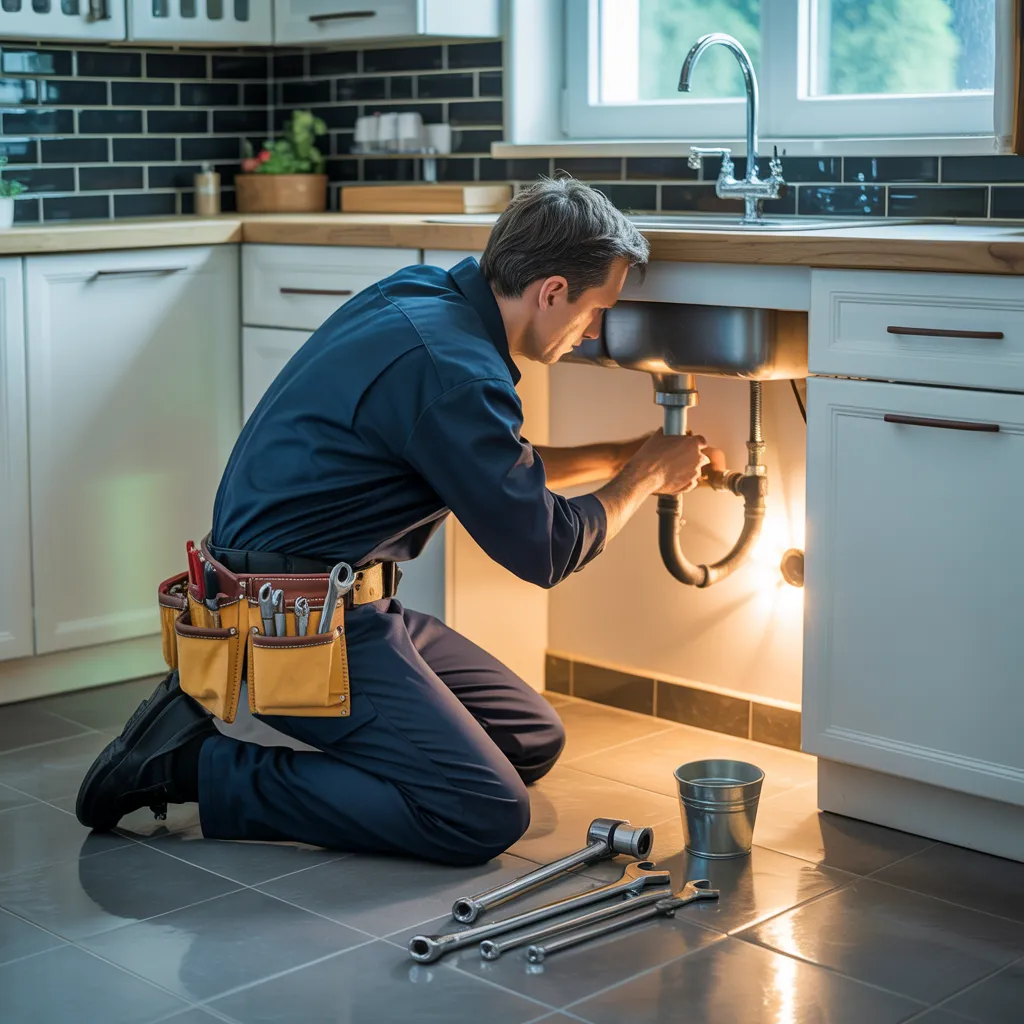
Common Plumbing Problems Homeowners Face
Homeowners frequently face several plumbing challenges that may interfere with everyday routines. Typical concerns involve leaky faucets, which not only waste water but also lead to rising utility costs. Clogged drains represent another recurring issue, frequently stemming from hair, grease, or unwanted materials clogging the pipes. Additionally, toilet malfunctions, such as constant running or improper flushing, can create significant inconvenience.
Failing water heaters often lead to unreliable hot water delivery, disrupting everyday activities. Furthermore, broken pipes can lead to significant water source destruction, necessitating immediate attention. Lastly, sewer line issues may lead to disagreeable odors and serious health concerns if not addressed promptly. Each of these problems, if left unresolved, can escalate into more serious issues, highlighting the importance of homeowners recognizing these frequent plumbing challenges.
Why Regular Plumbing Services Are Vital for Homeowners
Routine plumbing maintenance plays a critical role in preserving the functionality of a residential plumbing system. Routine checkups and maintenance enable early detection of issues before they turn into significant repair costs. By addressing minor leaks, corrosion, and clogs early, homeowners can prevent significant damage to their property.
Moreover, routine upkeep extends the lifespan of plumbing systems and appliances, allowing them to perform optimally. Such a preventative strategy not only reduces costs over time but also improves the quality of water and lowers the likelihood of mold and mildew development.
Homeowners who invest in regular plumbing maintenance can experience peace of mind, knowing that their systems are functioning effectively. Furthermore, consistent upkeep can lead to increased property value, as prospective buyers often look for well-maintained plumbing systems. In the end, routine plumbing services are a vital component of responsible homeownership.
Critical Emergency Plumbing Services Worth Knowing About
What occurs when a plumbing crisis suddenly arises? Many homeowners are left feeling overwhelmed and anxious, confronted with challenges including burst pipes, overflowing toilets, or significant leaks. To combat these challenges, several essential emergency plumbing services are fundamental. First and foremost, a 24/7 emergency response service is critical, making certain that support is on hand at all times. Furthermore, water damage restoration services work to lessen the consequences of flooding, preserving your home and valuables. Moreover, drain cleaning services are able to resolve unexpected clogs that cause backups, offering immediate relief. Leak detection services are likewise a vital component, identifying hidden leaks before they escalate into significant problems. Lastly, sewer line repairs help avert significant health risks by tackling root infiltration and structural breakdowns. Knowing these top emergency plumbing services equips homeowners to act swiftly and effectively when crises arise, protecting their properties and providing reassurance.
Selecting the Best Plumbing Expert
How can someone ensure they choose the correct plumbing expert for their situation? Commence your search by investigating nearby plumbers, giving preference to those with strong reviews and excellent ratings. A reputable plumber should possess the necessary licenses and insurance, securing compliance with local regulations and offering protection against potential liabilities.
Also, examine their experience and specialization. A number of plumbers may focus on home-based work, while others direct their expertise toward commercial systems or targeted plumbing challenges. Requesting estimates from multiple professionals can help gauge pricing and services offered.
Finally, communication plays a vital role; a professional plumber should be accessible, happy to handle any concerns, and deliver transparent explanations of the necessary repairs. By taking these steps, property owners can confidently choose a plumbing professional who satisfies their individual requirements and guarantees the smooth functioning of their plumbing infrastructure.
How to Prevent Plumbing Issues in Your Home
Identifying the best plumbing professional is just the beginning in keeping a functional plumbing system. Homeowners can implement numerous proactive steps to prevent plumbing issues. Routinely checking pipes for damage or wear is essential; prompt identification can prevent costly repairs. Additionally, maintaining debris-free and grease-free drains will help preserve optimal drainage. It is recommended to place strainers in tubs and sinks to catch hair and food particles. Homeowners should also be careful about items flushed down the toilet, steering clear of materials that may cause clogs. Additionally, regular servicing, such as flushing the water heater to eliminate sediment buildup, can extend its lifespan. Finally, familiarizing yourself with the main water shut-off valve location is crucial for responding to emergencies quickly. By applying these practices, residents can substantially lower the probability of surprise plumbing complications.
What You Can Expect From a Professional Plumbing Inspection
Throughout a professional plumbing inspection, property owners can anticipate a detailed examination of their plumbing infrastructure. Inspectors typically identify typical concerns such as clogs, leaks, and corrosion, while also offering critical maintenance guidance. This procedure not only uncovers present concerns but also helps prevent future plumbing complications.
Inspection Process Overview
A complete plumbing evaluation is important for maintaining the integrity of a home's plumbing infrastructure. In the course of the assessment, a professional plumber assesses numerous elements, including pipes, fixtures, and appliances. The process commences with a visual inspection to identify any obvious issues, followed by pressure tests to confirm there are no leaks in the system. The certified plumber may also use specialized cameras to inspect hidden pipes, providing a complete view of the pipe network. Water flow and drainage are tested to verify top-level functionality. In addition, the inspector verifies adherence to regional codes and standards. Homeowners receive a thorough report detailing the results, which facilitates future maintenance and repairs. This proactive approach helps prevent costly plumbing emergencies.
Common Issues Identified
Recognizing frequent plumbing problems is a crucial aspect of a thorough assessment. In the course of an evaluation, technicians commonly search for leaking pipes, which can result in structural water damage and mold proliferation. Clogged drains are a common issue as well, often resulting from tree root intrusion or debris buildup. Furthermore, worn-out fixtures, such as toilets and faucets, may exhibit signs of wear, including rust or corrosion. Inspectors also evaluate the water pressure throughout the system, ensuring they fall within acceptable ranges, as both high and low pressure can signal deeper issues. Lastly, they assess the overall condition of the water heater, identifying any indications of corrosion or leakage. Addressing these common issues early can prevent more extensive damage and costly repairs in the future.
Important Maintenance Tips
Regular plumbing inspections provide homeowners with important information about the condition of their home systems. During a skilled plumber's inspection, plumbers evaluate key components such as pipes, faucets, and water heaters. They check for leaks, blockages, and evidence of deterioration, which can cause significant damage if left unaddressed. Homeowners can anticipate guidance on maintaining top efficiency, including routine water pressure checks and drain cleaning. Inspectors routinely examine the complete plumbing structure to identify potential issues before they escalate. It is recommended to arrange inspections once or twice a year to confirm systems stay in optimal condition. By adhering to these maintenance tips, homeowners can increase the longevity of their plumbing and eliminate unforeseen plumbing crises.
Common Questions and Answers
When Should I Replace My Plumbing Fixtures?
Specialists suggest upgrading plumbing fixtures every 10 to 15 years, based on usage and upkeep. Periodic inspections can uncover signs of wear and tear, guaranteeing efficiency while protecting against costly repairs or water damage down the line.
What Are the Signs of Hidden Plumbing Leaks?
Indicators of concealed plumbing leaks consist of water discoloration on walls or ceilings, sudden rises in water bills, mold-related or moisture odors, and a constant sound of running water. Identifying these issues early helps prevent additional damage and expensive repairs.
Are Chemical Drain Cleaners Safe to Use?
Using chemical drain cleaners can be risky; these products can deteriorate pipes and become hazardous if improperly handled. It's advisable to follow instructions carefully or consider alternative methods for clearing clogs to guarantee safety and effectiveness.
Where Can I Find My Main Water Shut-Off Valve?
To locate the main water valve, one should check around the exterior walls of the home, typically in basements, crawl spaces, or garages. It generally looks like a round or lever-operated valve attached to the primary water line.
What Steps Should I Take During a Plumbing Emergency?
In the event of a plumbing emergency, you should immediately turn off the main water supply, evaluate the extent of the problem, place towels or buckets to manage any leaking water, and reach out to a licensed plumber for immediate assistance and repairs.